

Insights from the 2nd London Orthopaedic Meeting with Dev Mahadevan, June 2025
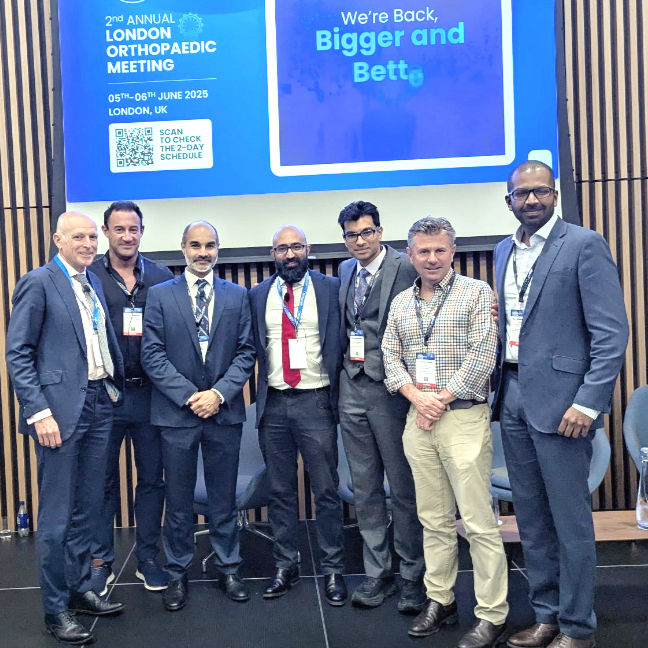
The 2nd London Orthopaedic Meeting brought together orthopaedic surgeons and allied health professionals for a day of learning, sharing, and collaboration. Dev Mahadevan was honoured to speak at this event, which provided a valuable platform to exchange ideas and discuss current practices in orthopaedics. This blog post highlights key takeaways from the meeting and explores how such gatherings contribute to advancing patient care.
Sharing Knowledge to Improve Orthopaedic Care
The meeting emphasized the importance of sharing clinical experiences and research findings. Dev Mahadevan’s presentation focused on practical approaches to common orthopaedic challenges, including surgical techniques and post-operative care. By discussing real-world cases, the session helped attendees understand how to apply evidence-based methods in their own practices.
One example shared was the use of minimally invasive surgery to reduce recovery times for joint replacement patients. This approach not only improves patient outcomes but also lowers the risk of complications. Such insights encourage surgeons to adopt techniques that balance innovation with safety.
Encouraging Collaboration Among Experts
A key theme of the meeting was collaboration. Orthopaedic care often involves a multidisciplinary team, including surgeons, physiotherapists, and nurses. The event fostered dialogue among these professionals, highlighting how teamwork enhances patient recovery.
Dev Mahadevan stressed the value of open communication between surgeons and allied health professionals. For instance, physiotherapists can tailor rehabilitation plans based on surgical details, improving mobility and reducing pain more effectively. This collaborative mindset helps create comprehensive care pathways that benefit patients.
Discussing Emerging Trends and Technologies
The conference also showcased emerging trends in orthopaedics. Topics included advances in imaging technology, new biomaterials for implants, and digital tools for patient monitoring. Dev Mahadevan highlighted how staying informed about these developments allows practitioners to offer the best possible treatments.
For example, 3D printing of custom implants was discussed as a promising technique for complex cases. This technology can improve implant fit and function, leading to better long-term results. Learning about such innovations inspires surgeons to explore new options and improve their practice.
Building a Community of Practice
Beyond education, the meeting helped build a community of orthopaedic professionals committed to continuous improvement. Networking opportunities allowed attendees to form connections that can lead to future collaborations, research projects, and shared learning.
Dev Mahadevan’s participation underscored the importance of these events in creating a supportive environment where experts can exchange ideas freely. This sense of community strengthens the field and ultimately benefits patients through better care.


Comments